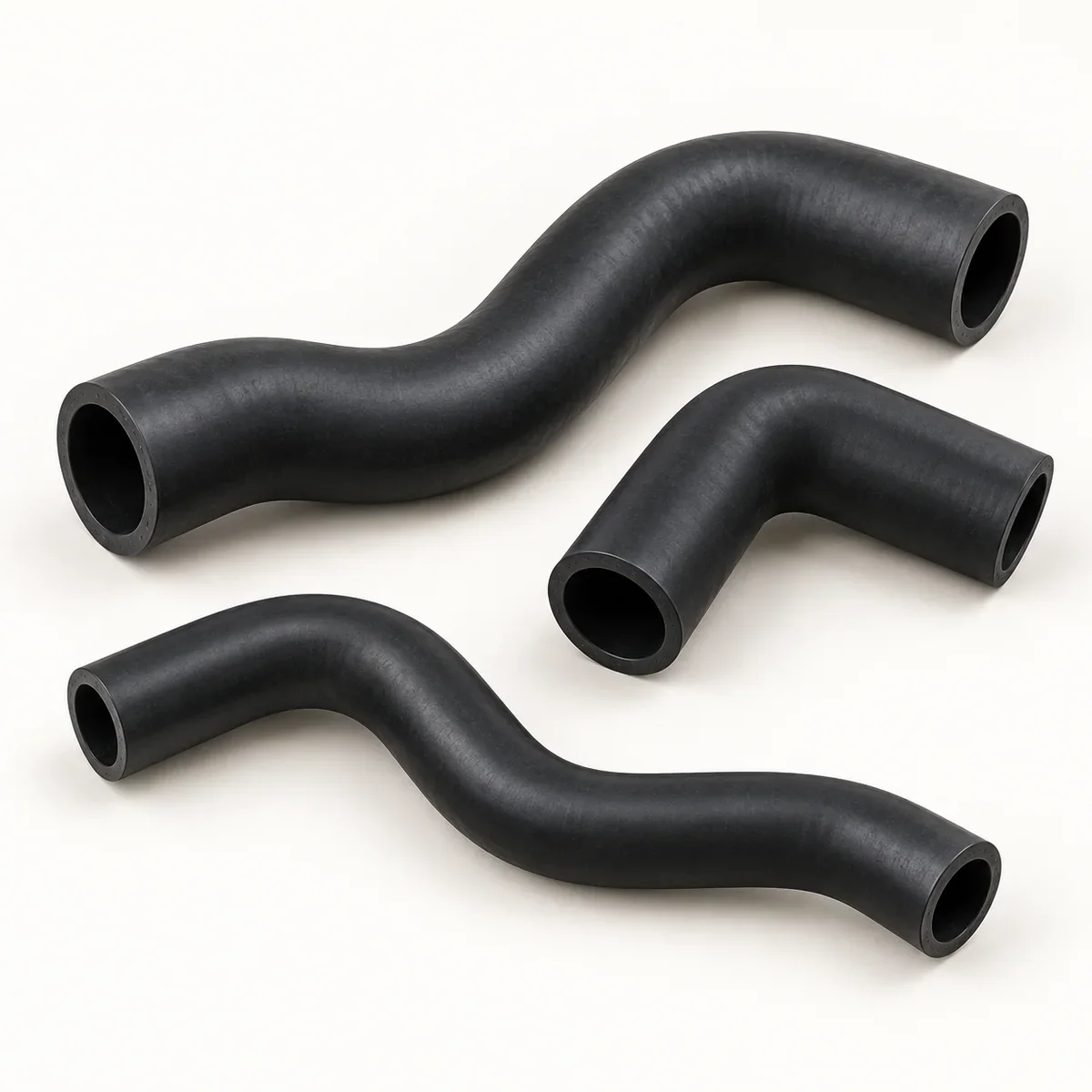
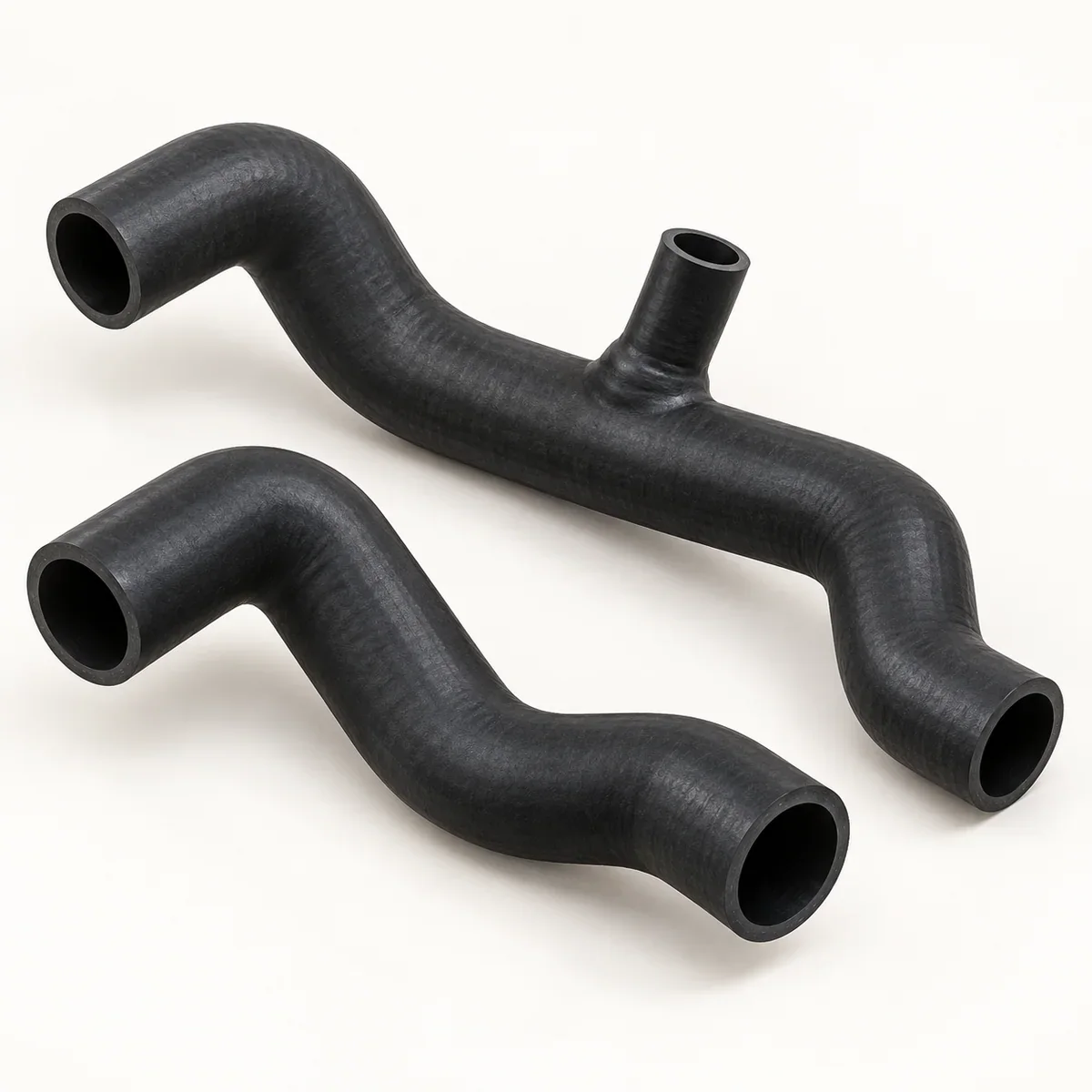
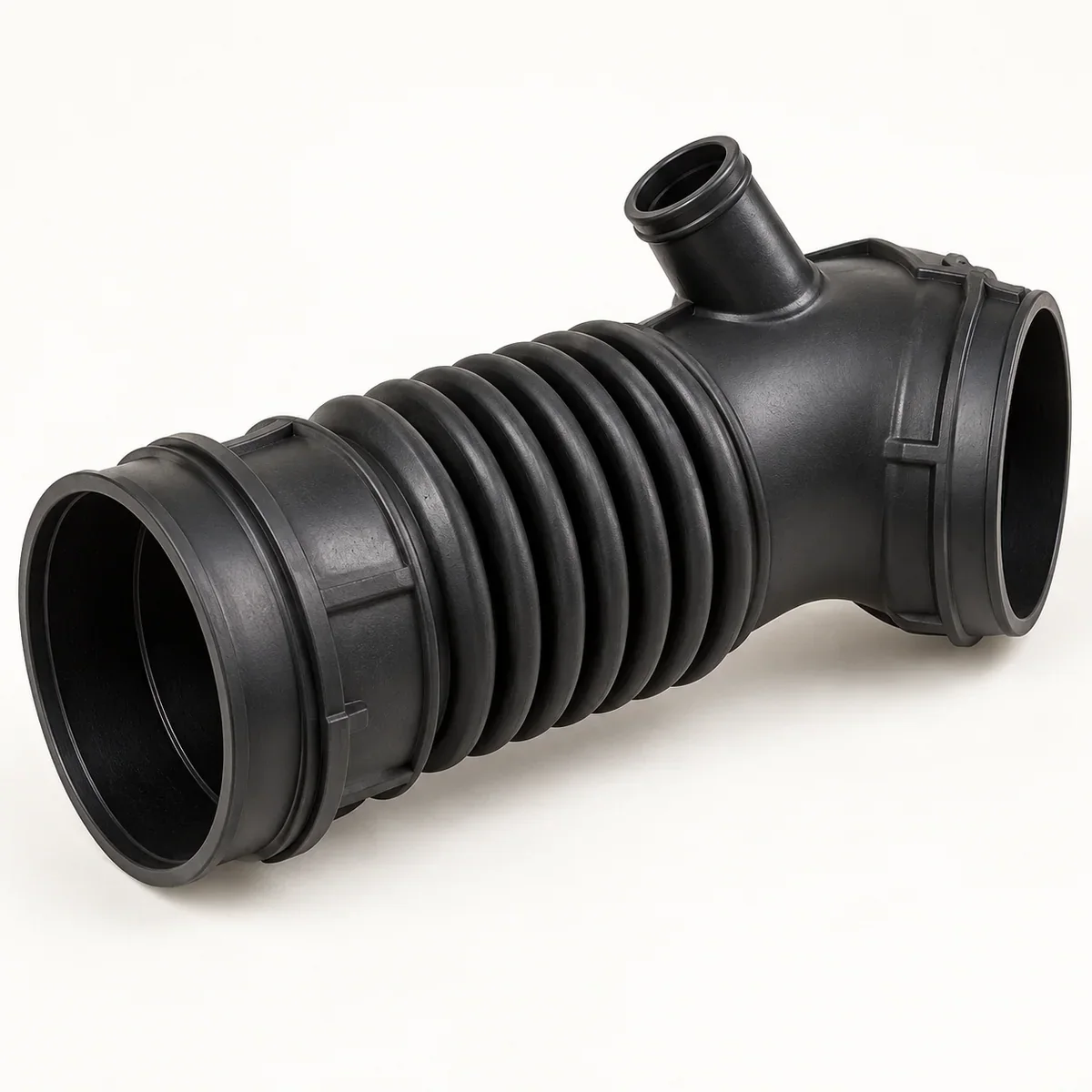
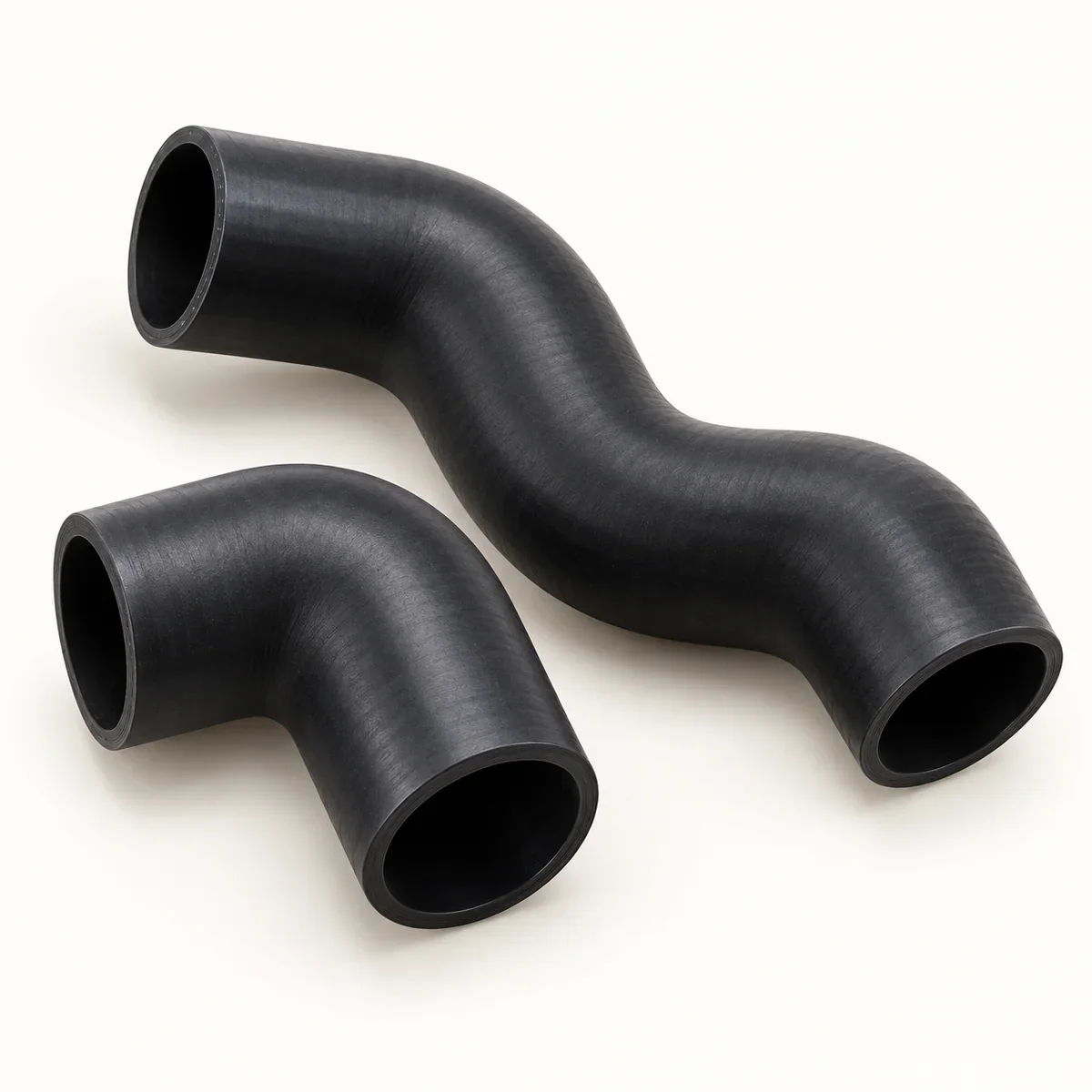
Identify what the vent actually carries
The word breather does not define the exposure. Describe the circuit, gas or vapor composition, possible oil mist, condensate and any cleaning fluid. State whether the route is part of an emissions-controlled system.
- Provide each branch and end connection.
- Mark high/low points and required routing orientation.
- Identify any valve or restrictor in the assembly.
Define the installed route
For a small hose, end angles and clearance can be as important as overall length. Provide the pressure differential, temperature cycle and motion at the connections. State requirements for kinking, drainage or permeation as project acceptance tasks rather than assuming them from material color.
Scope limits
Vent service does not establish fuel immersion compatibility, low permeation or vehicle regulatory approval. Compound, construction and finished-assembly requirements must be reviewed for the specified circuit.
Prepare your inquiry
- Circuit description and connected-component drawing.
- Vapor/condensate/oil exposure details.
- Installed route and relative motion.
- Required customer or regulatory validation documents.
Buyer questions
Can any small rubber tube be used as a breather hose?
No. Identify the vapor, condensate and oil exposure and the circuit's functional requirements first.
Does this family include emissions approval?
No approval is inferred. Specify the exact requirement and the evidence expected for the finished assembly.
Related project families
Engineering reading
General references and scope
These references explain general engineering or regulatory context. They are not Xinwei finished-product specifications, test results or compliance evidence.
- Automotive Materials — English technical body on an official localized URL. General NBR, EPDM, FKM and HNBR selection context; formulation and exposure conditions matter. No supplier-specific numbers are transferred.