Choose by the joint
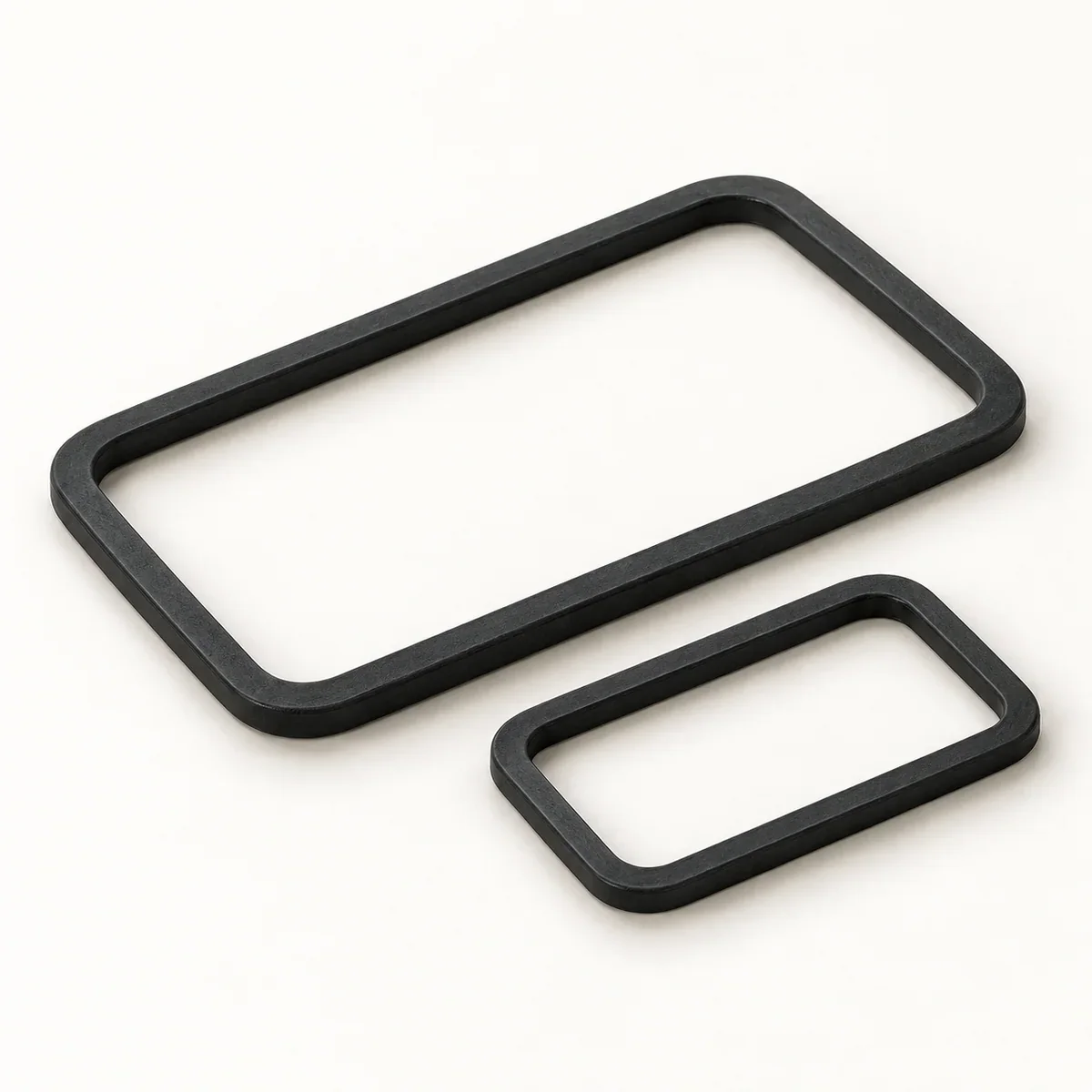
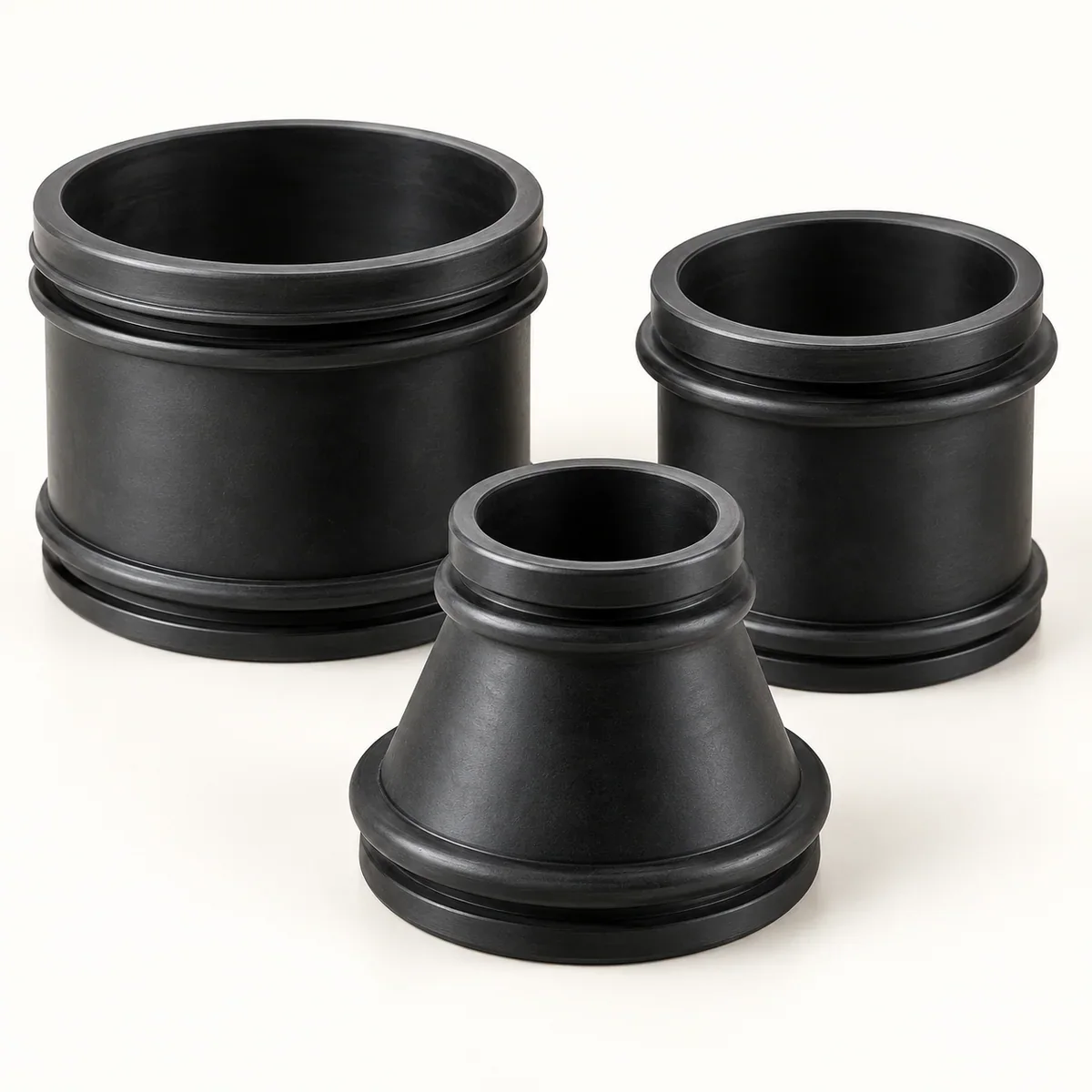
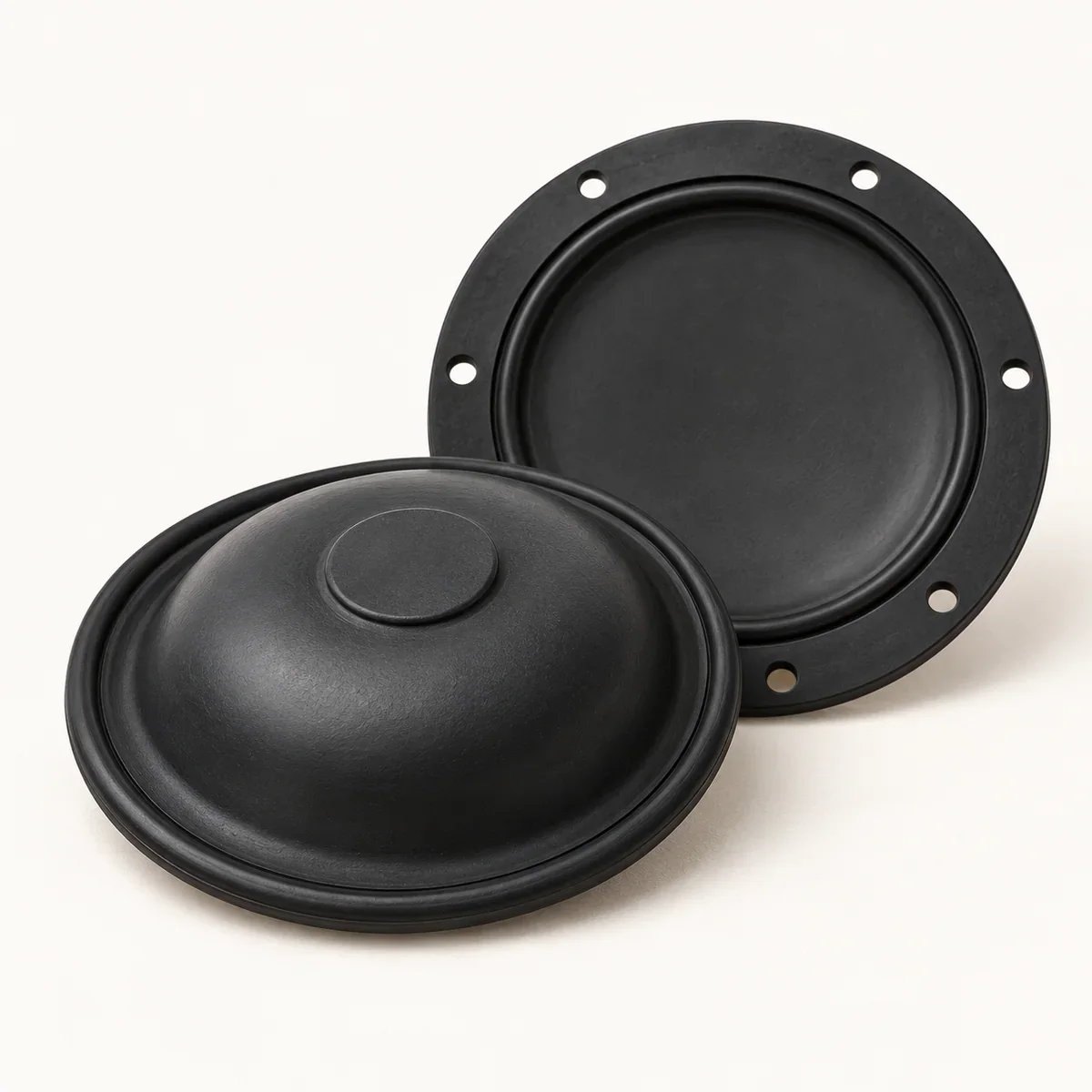
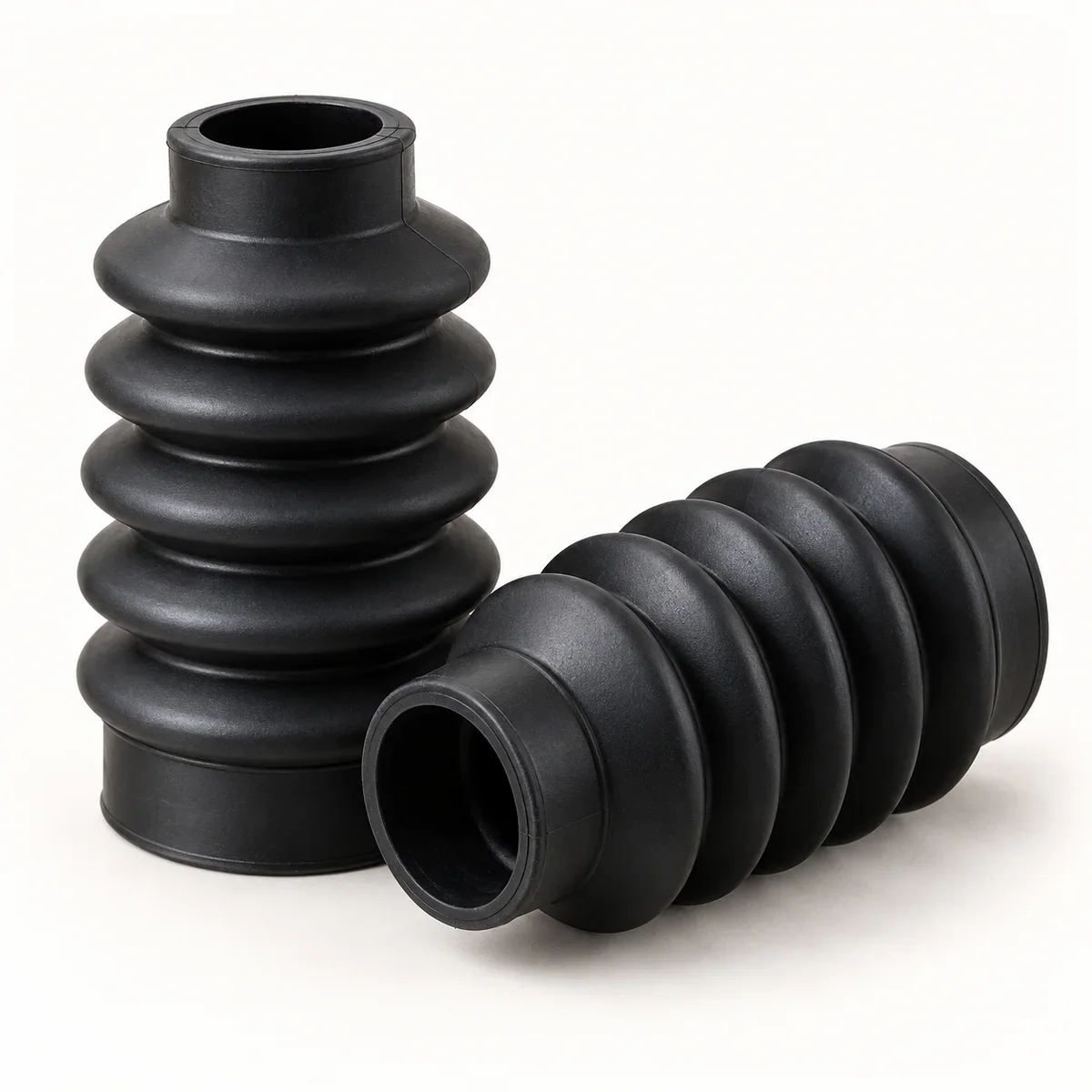
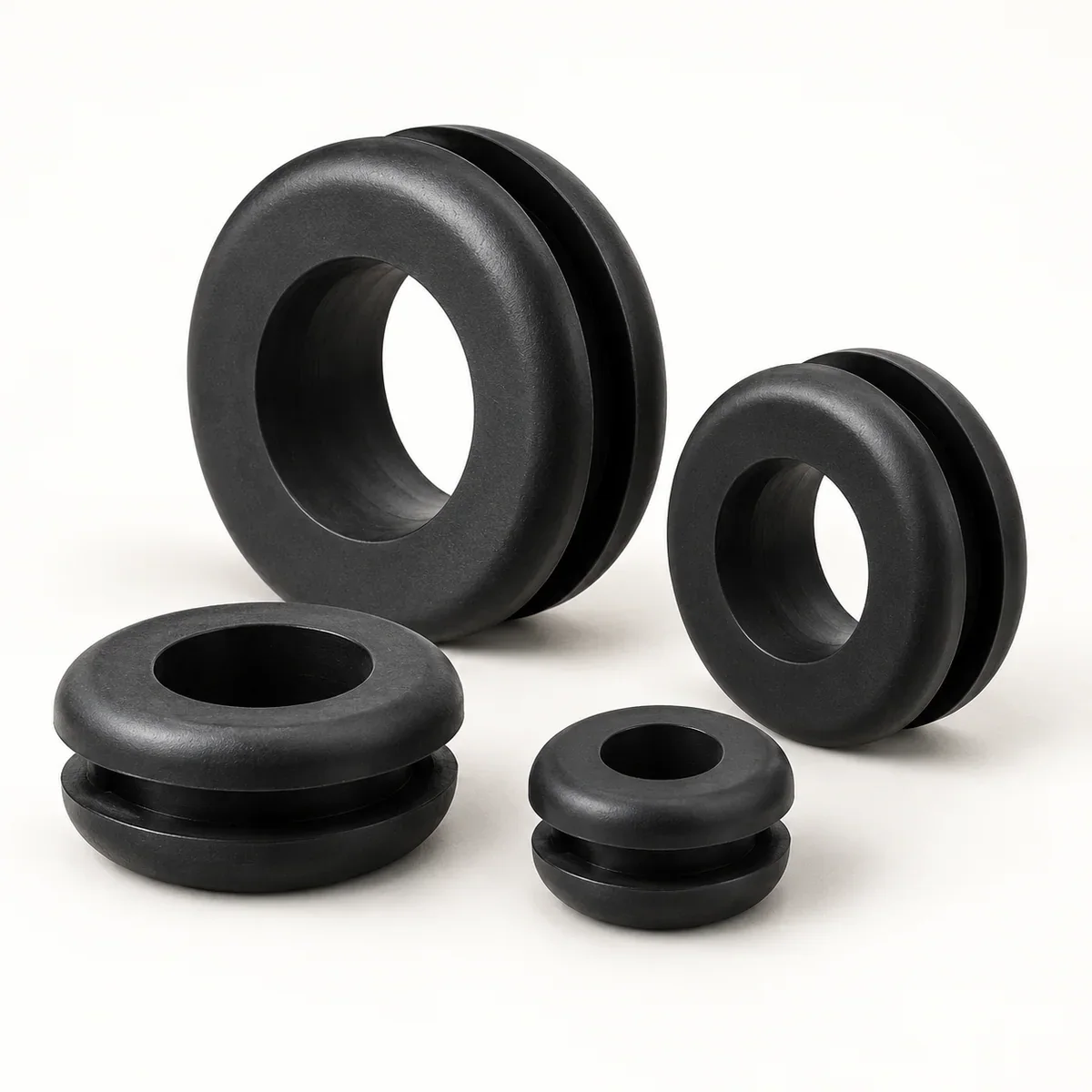
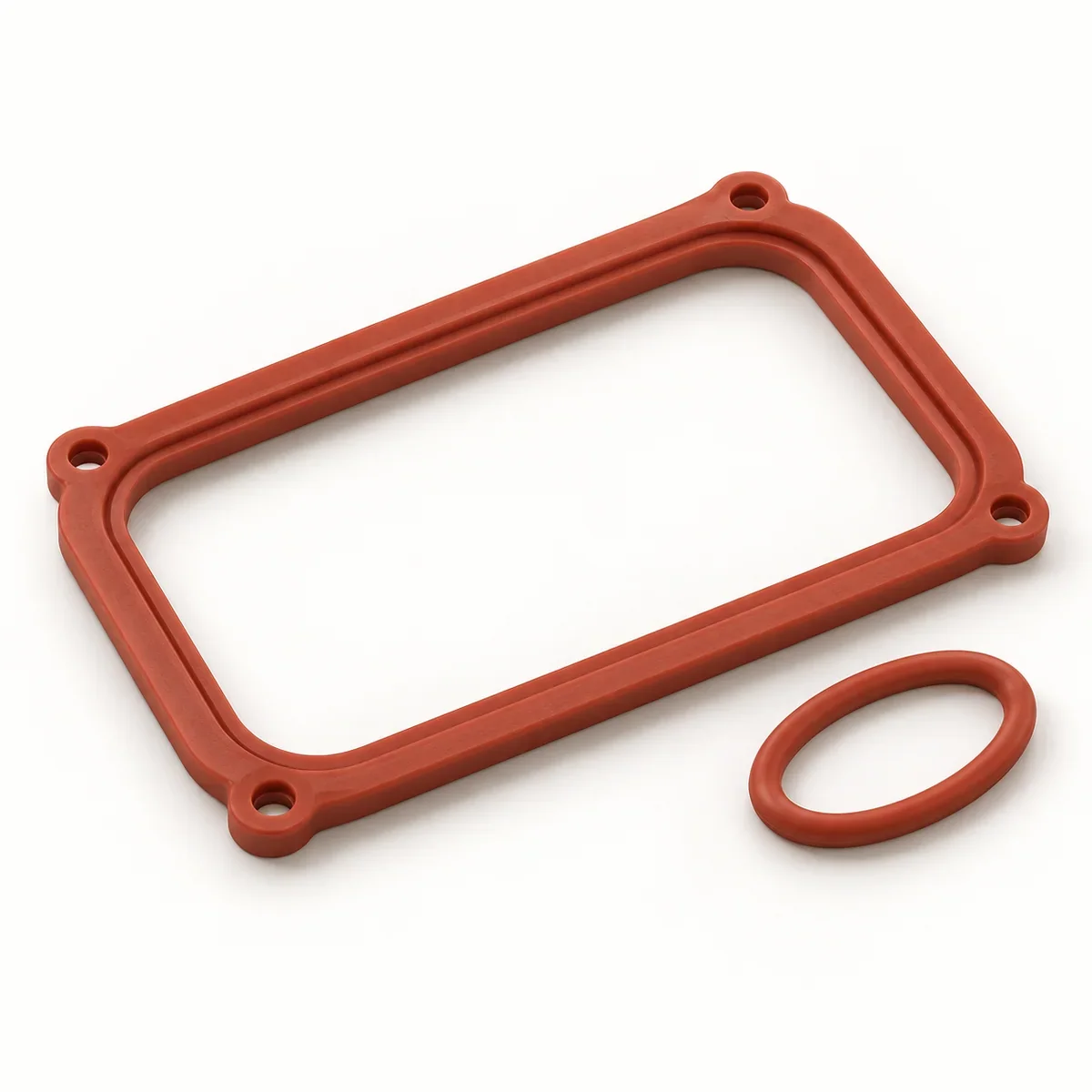
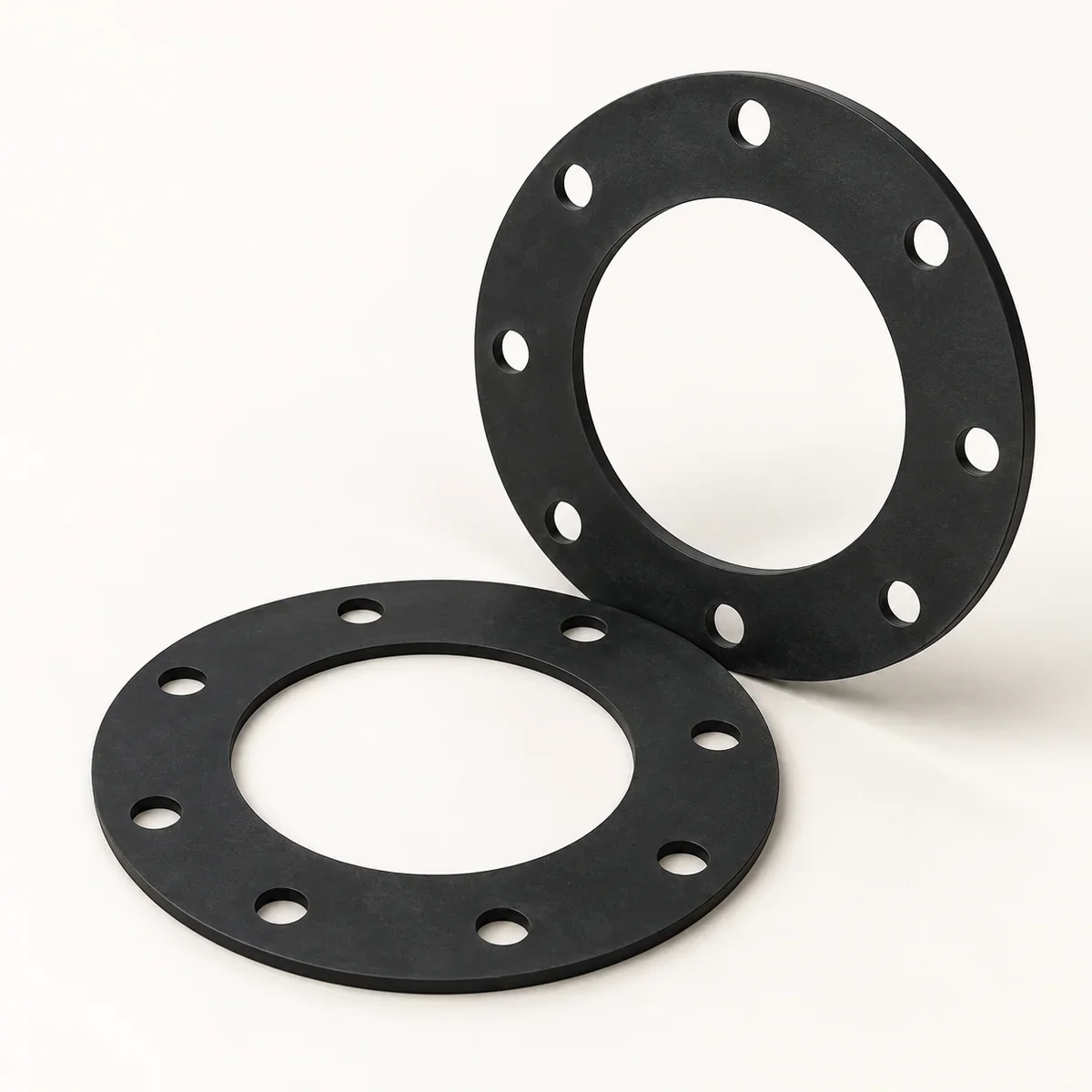
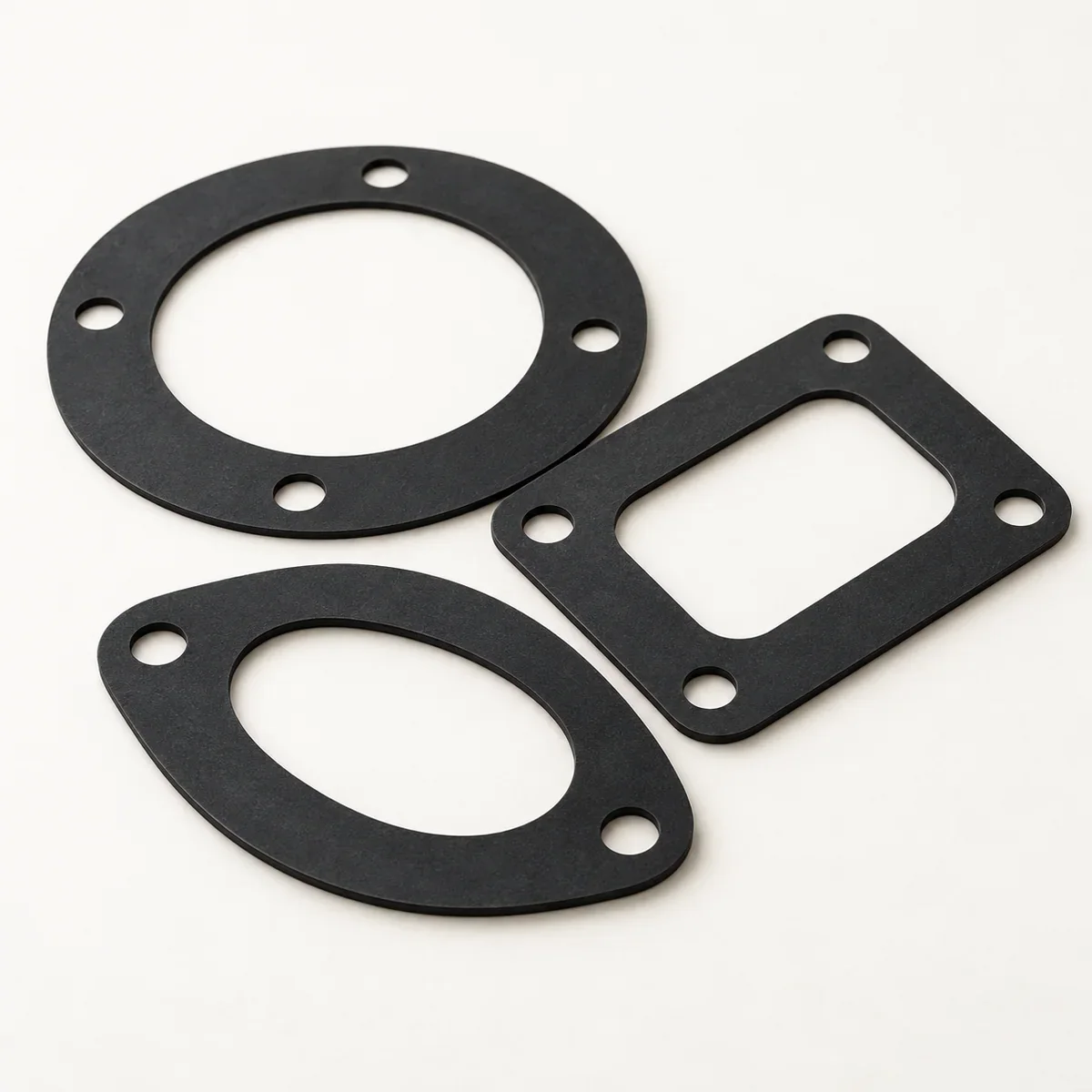
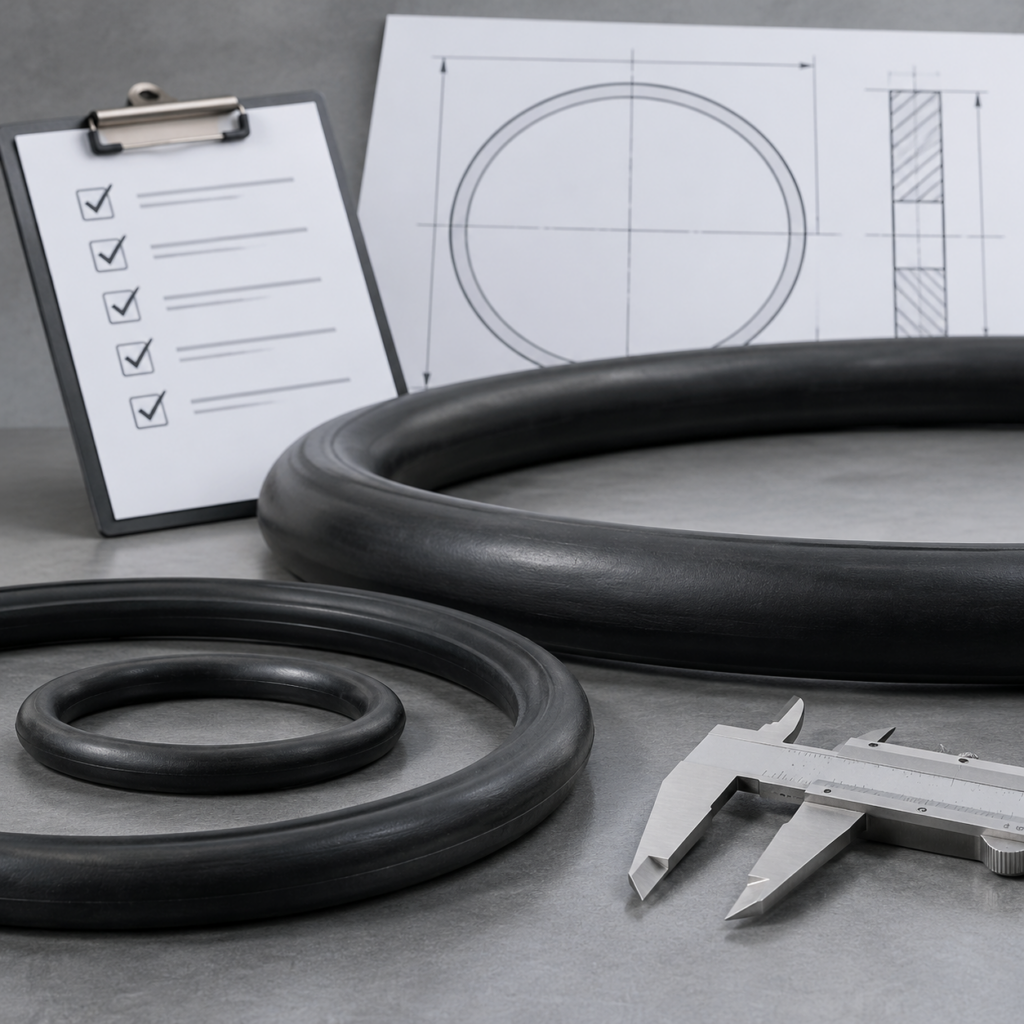
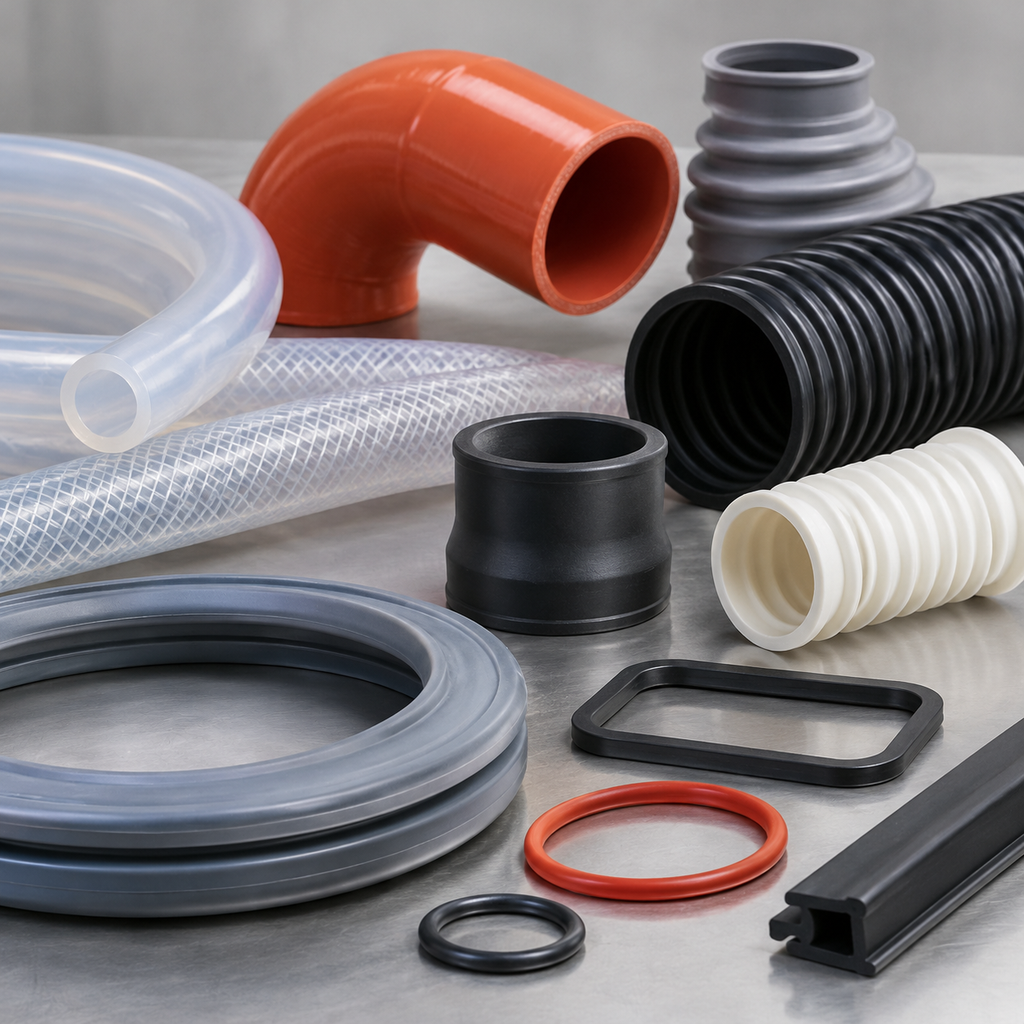
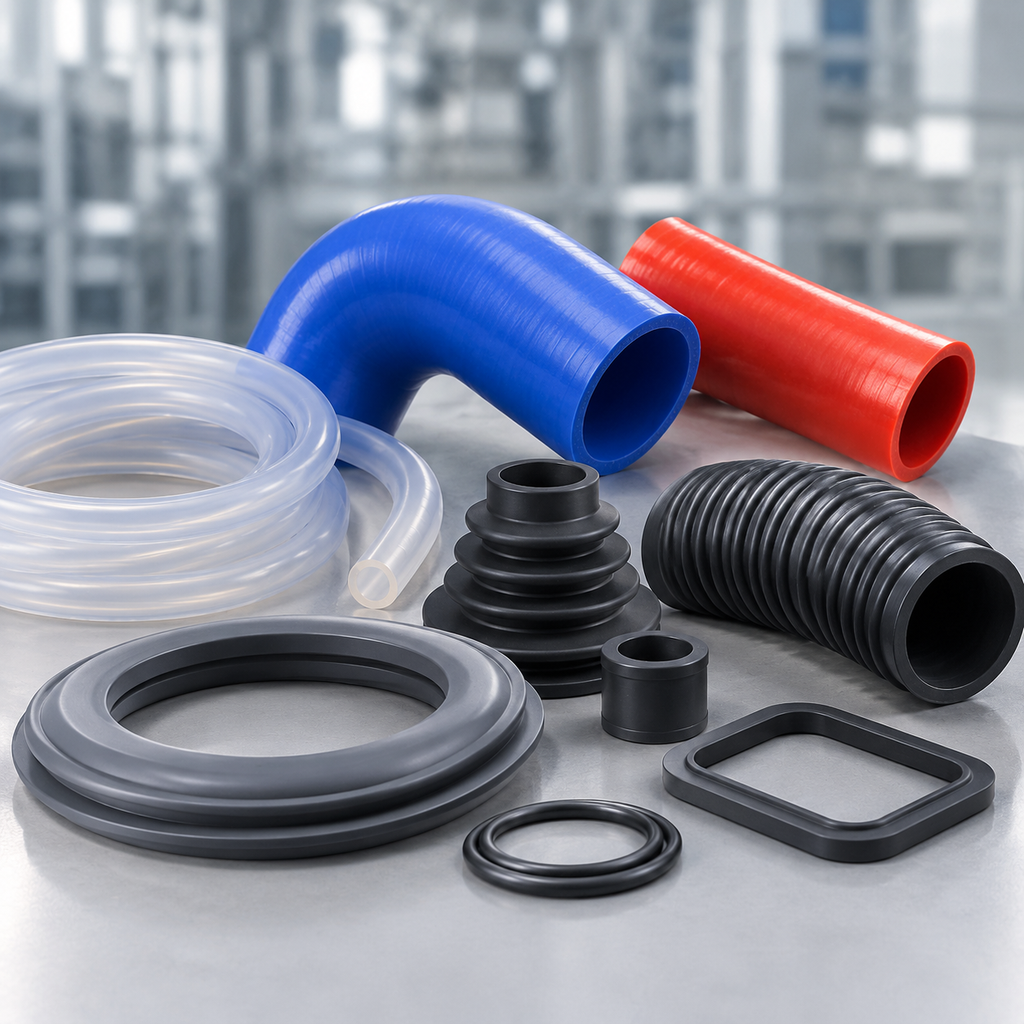
A round gland, flat flange, shaped enclosure perimeter and panel penetration are different interfaces. Select the product family from the geometry and function, then define the medium and environment. A large perimeter also needs a practical handling and inspection plan.
Show how the seal is compressed or retained
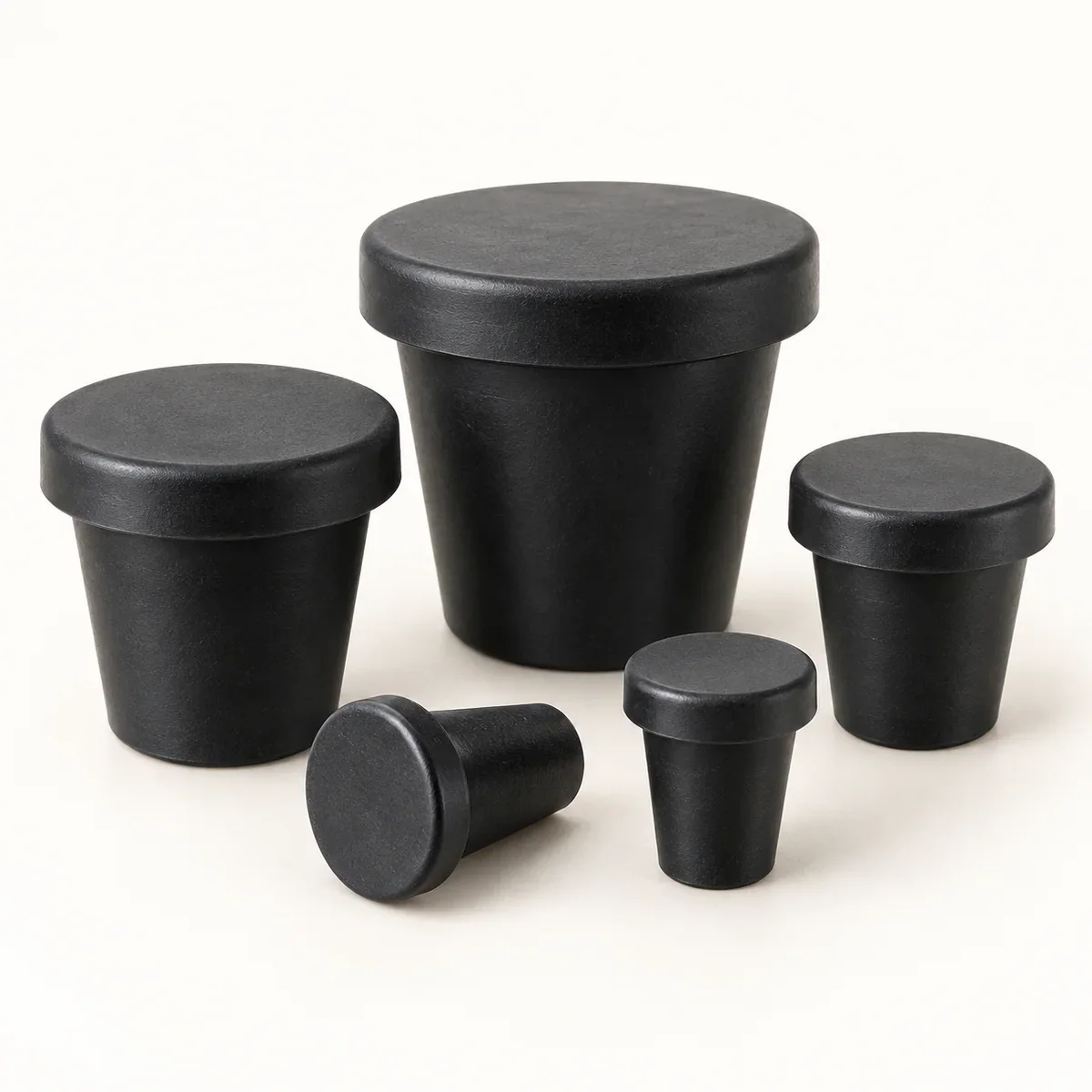
Include groove geometry, cover flatness, latches/fasteners, stops and tolerance extremes. State the free-state drawing dimensions separately from assembled gap and deformation. For grommets or plugs, add insertion, retention and removal requirements.
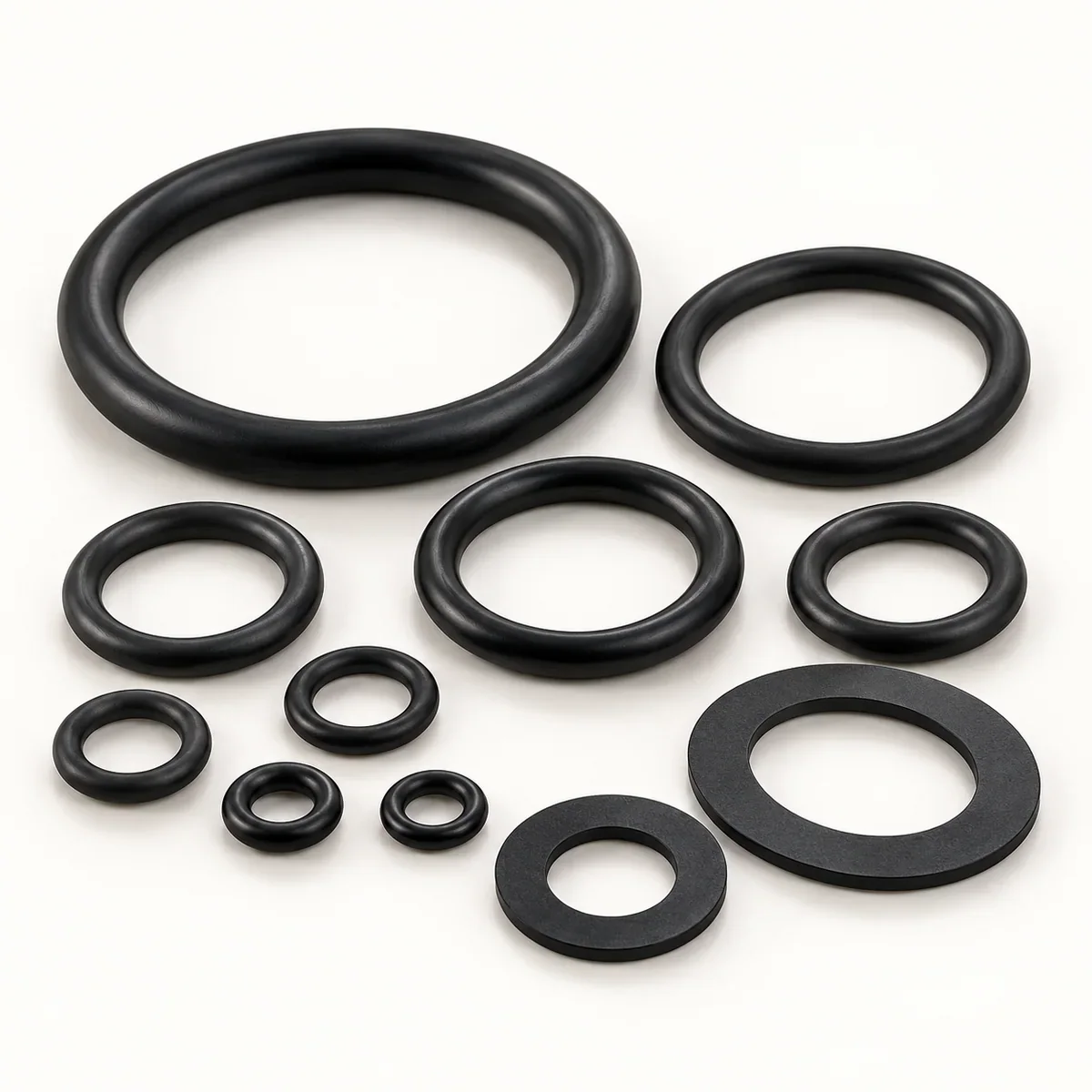
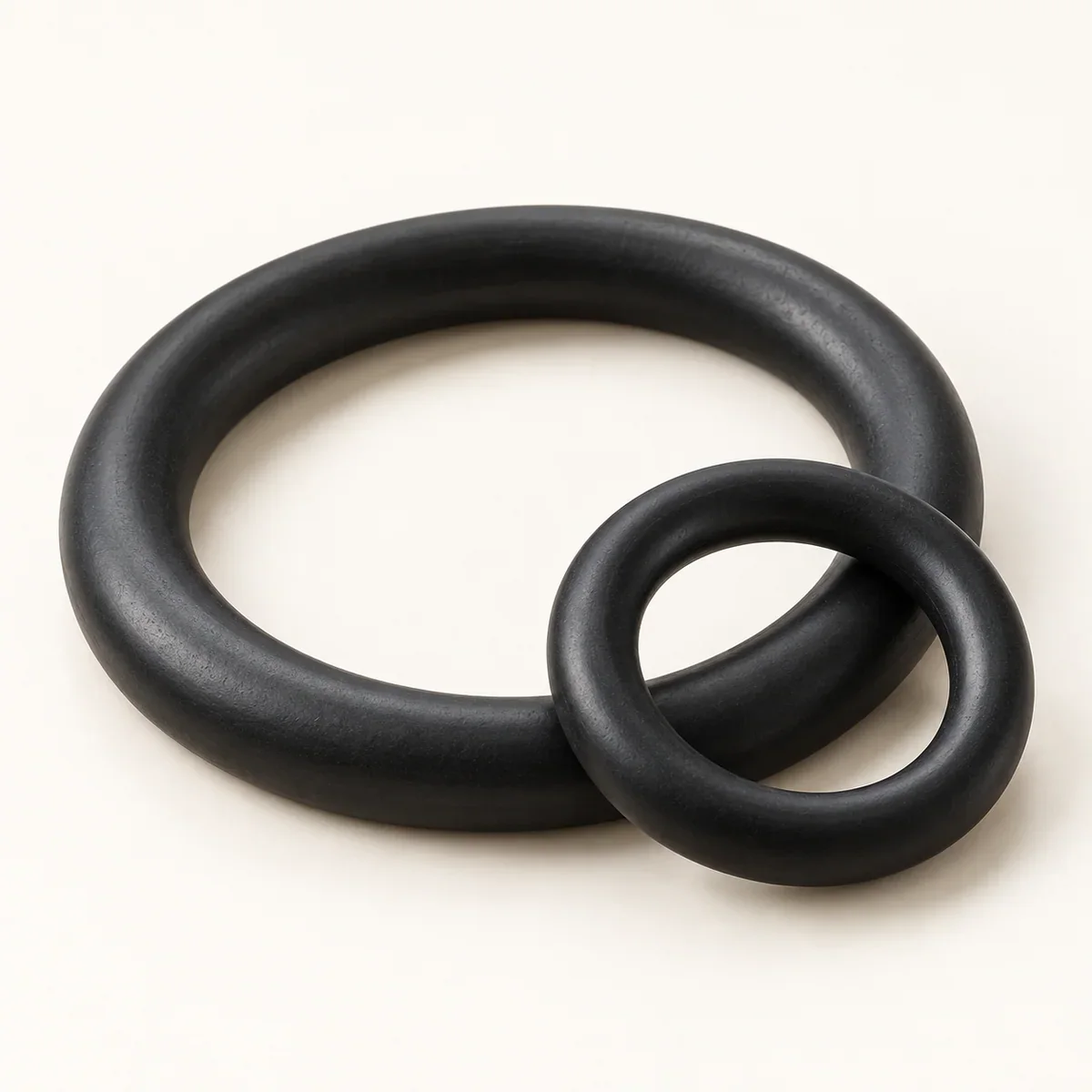
- O-rings: inner diameter, section and mating gland.
- Gaskets: outline, thickness, sealing land and closure control.
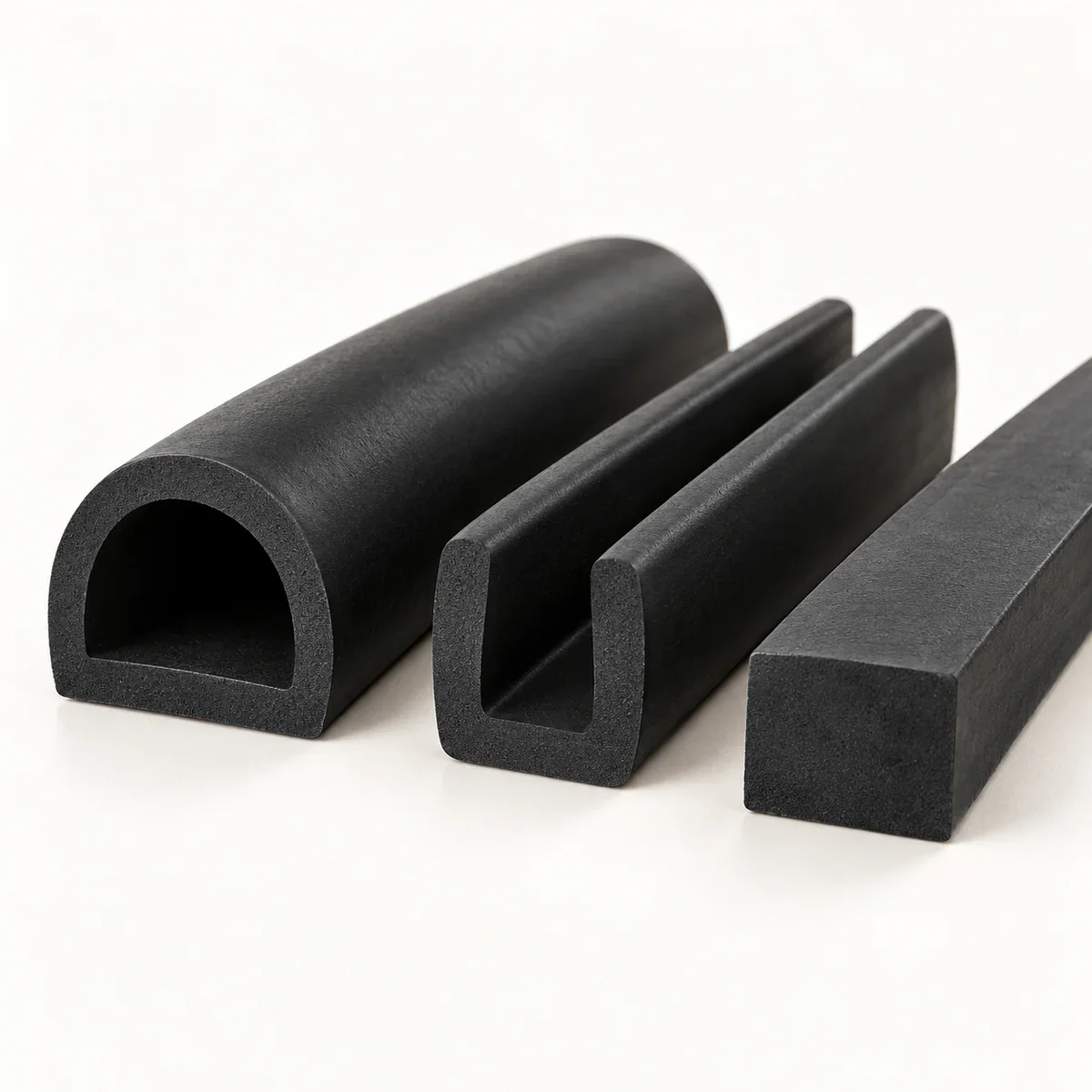
- Custom profiles: functional lips, retention features and installed gap.
- Seal kits: item-level drawings, positions, quantities and revision control.
Test the assembled function
Any leakage or ingress target should identify the complete assembly and test conditions. Material selection and careful installation support the task, but they do not establish an enclosure rating or joint pressure rating by themselves.
Related project families
Engineering reading
General references and scope
These references explain general engineering or regulatory context. They are not Xinwei finished-product specifications, test results or compliance evidence.
- O-Rings Online — General design inputs: O-ring size, housing layout, compression, stretch and housing fill are distinct review matters. Not Xinwei size availability or dimensional qualification.
- Installation Guide for Garlock Premium Grade Elastomeric (Rubber) Gaskets — Pages 1–2: joint condition, alignment and controlled compression. Later torque tables apply only to the stated Garlock gasket/flange/bolt conditions and are deliberately not reproduced.