Decide what the closure must do
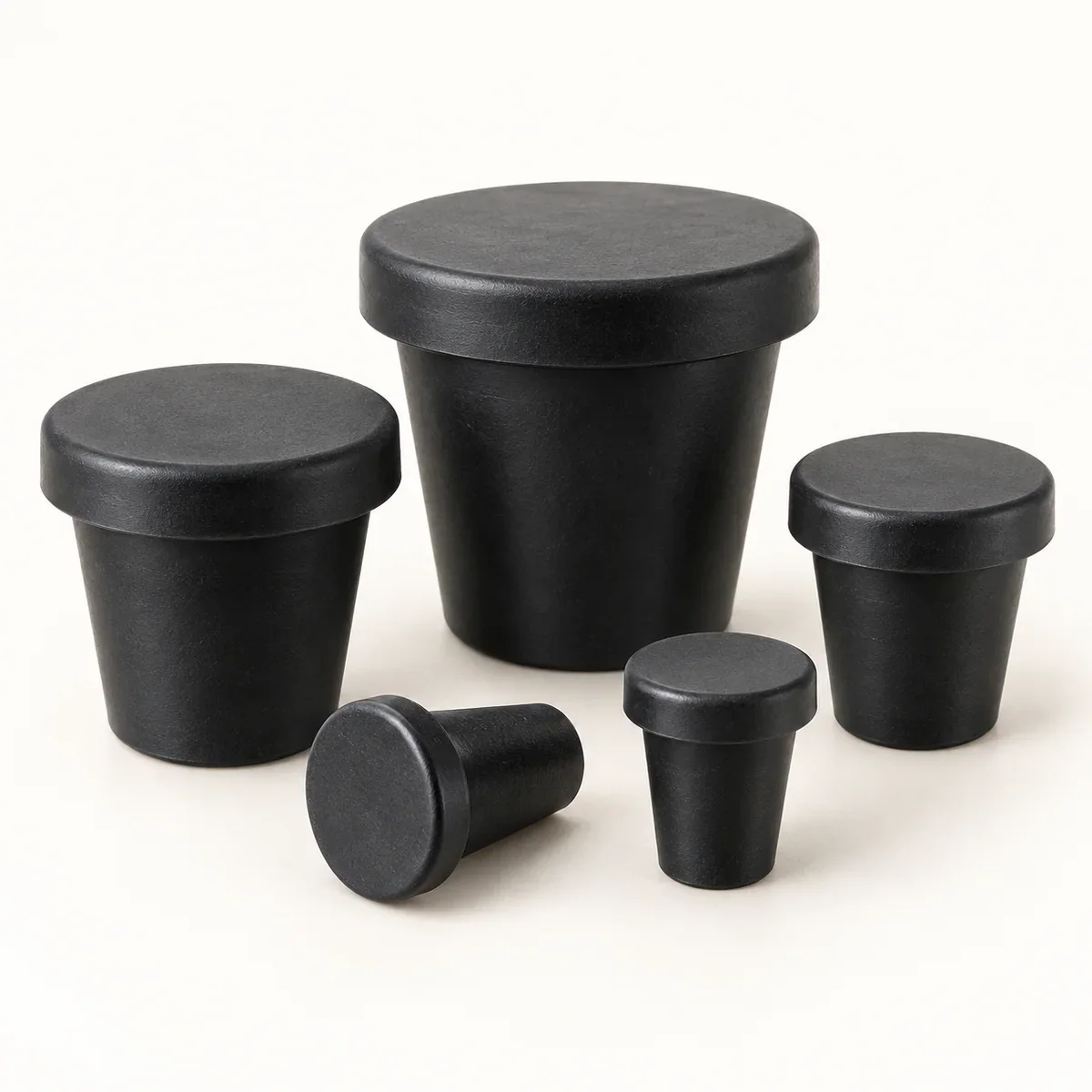
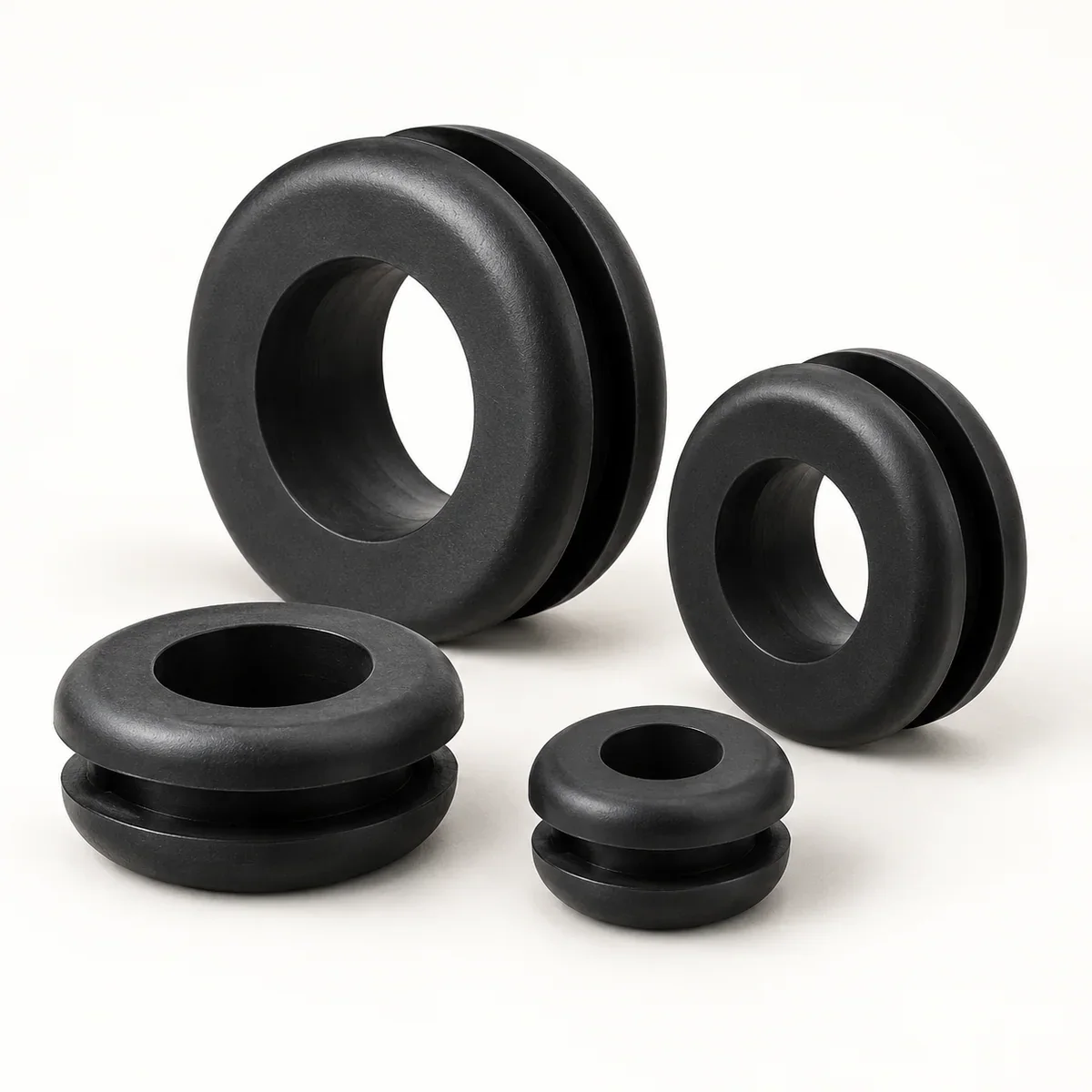
A temporary dust plug, removable stopper and permanent sealing plug are different buying tasks. Identify whether the closure protects an unused opening, contains fluid or needs repeated removal by an operator.
- Show the receiving bore and edge condition.
- Mark the installed insertion depth.
- Identify a handle, flange or tool-removal feature if needed.
Specify retention and removal together
Provide the receiving-hole tolerance and any pressure differential. State the allowed insertion and extraction forces or the method used to assess them. A tapered plug should be drawn with its reference diameters and axial positions, not described only by its largest diameter.
Limits and special exposure
Pressure retention, food contact, chemical resistance and electrical functions each require an explicit specification. These closures are not automatically shipping-certified, safety closures or compatible replacement parts.
Prepare your inquiry
- Receiving-part and plug drawings.
- Purpose and whether pressure retention is required.
- Insertion/removal acceptance and use frequency.
- Material/documentation needs and order quantity.
Buyer questions
Will a tight-looking plug hold pressure?
Appearance or interference alone does not establish safe pressure retention. Define and validate the actual closure requirement.
Can one taper fit several bore sizes?
Specify the intended bore range and installed position for review. Fit and retention must be checked across that range.
Related project families
Engineering reading