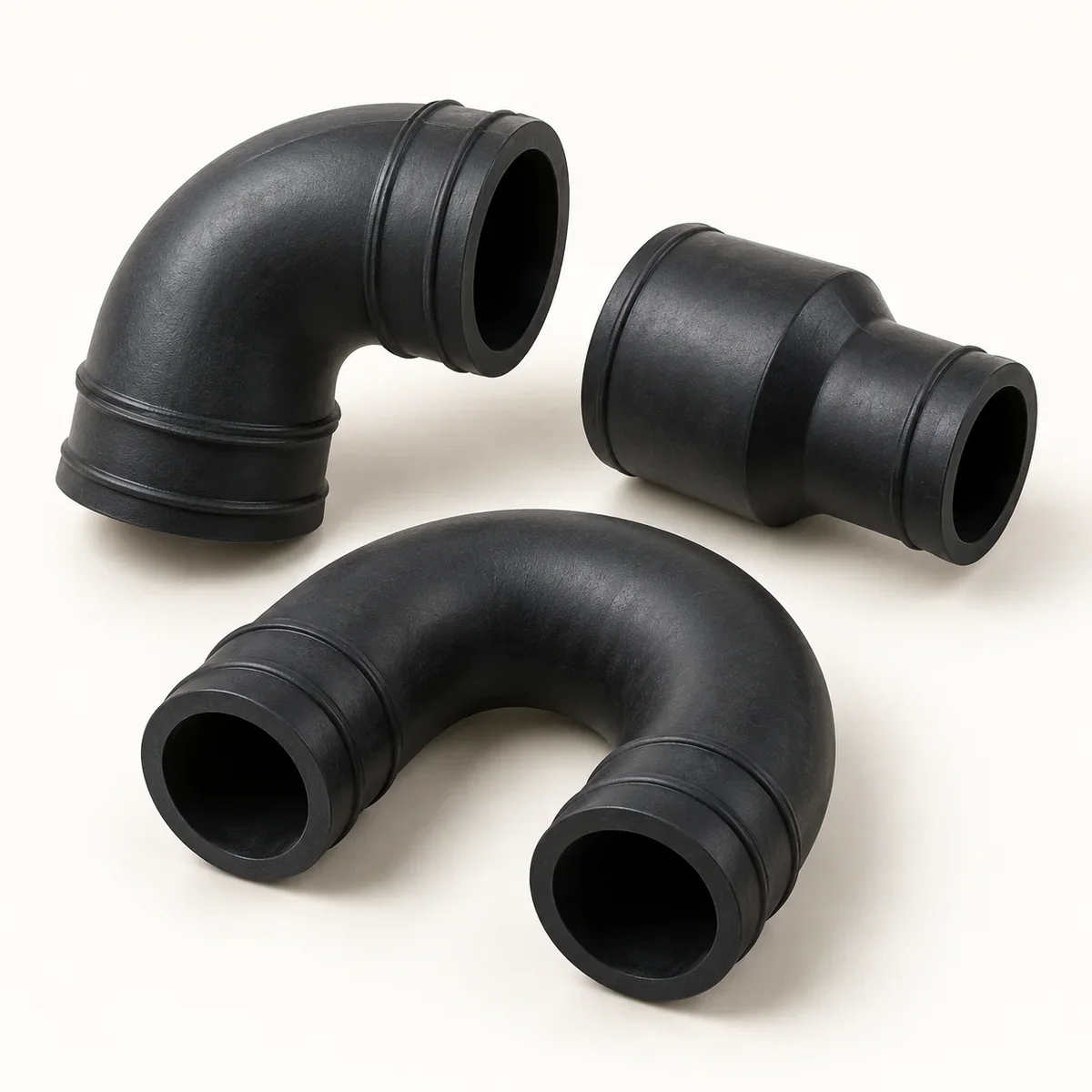
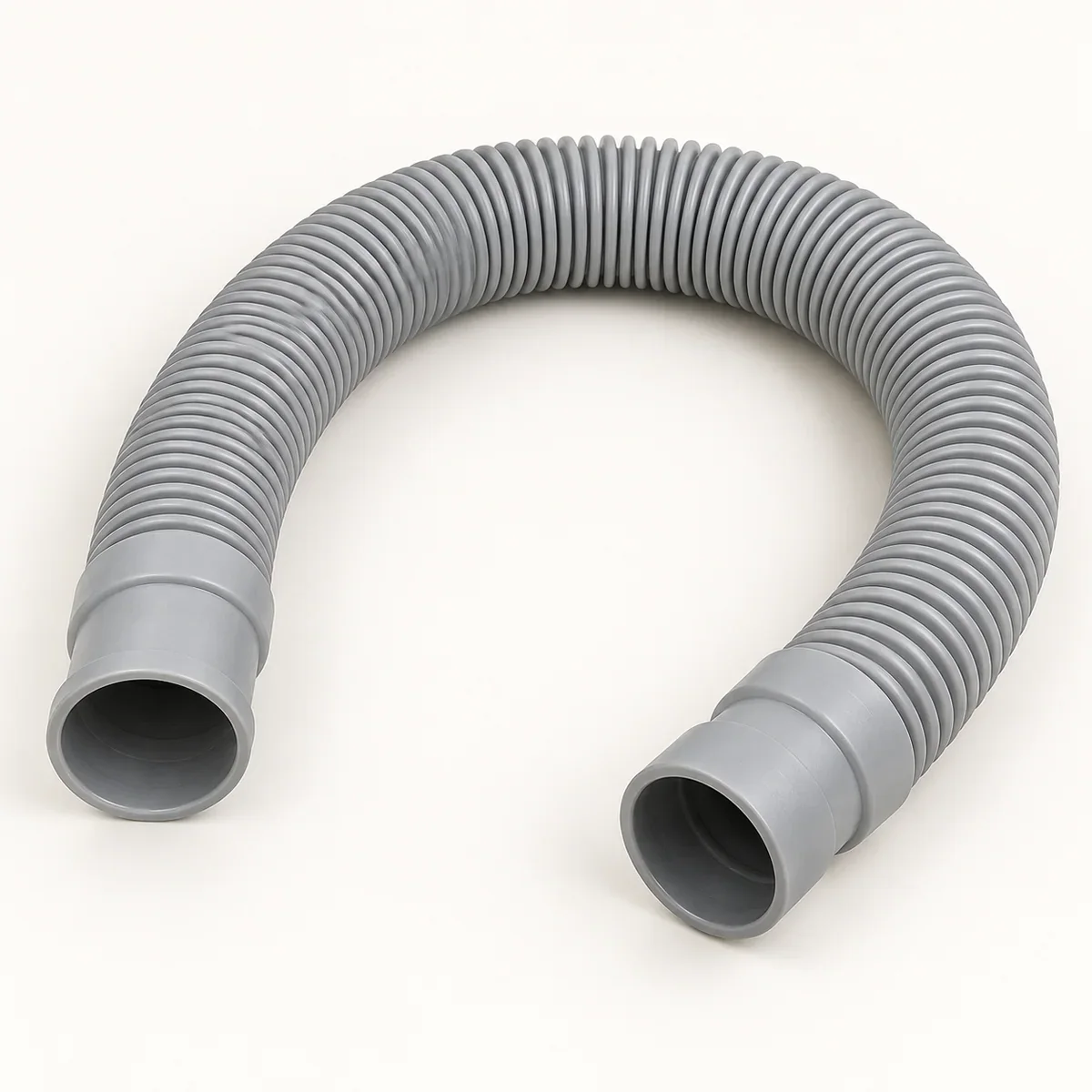
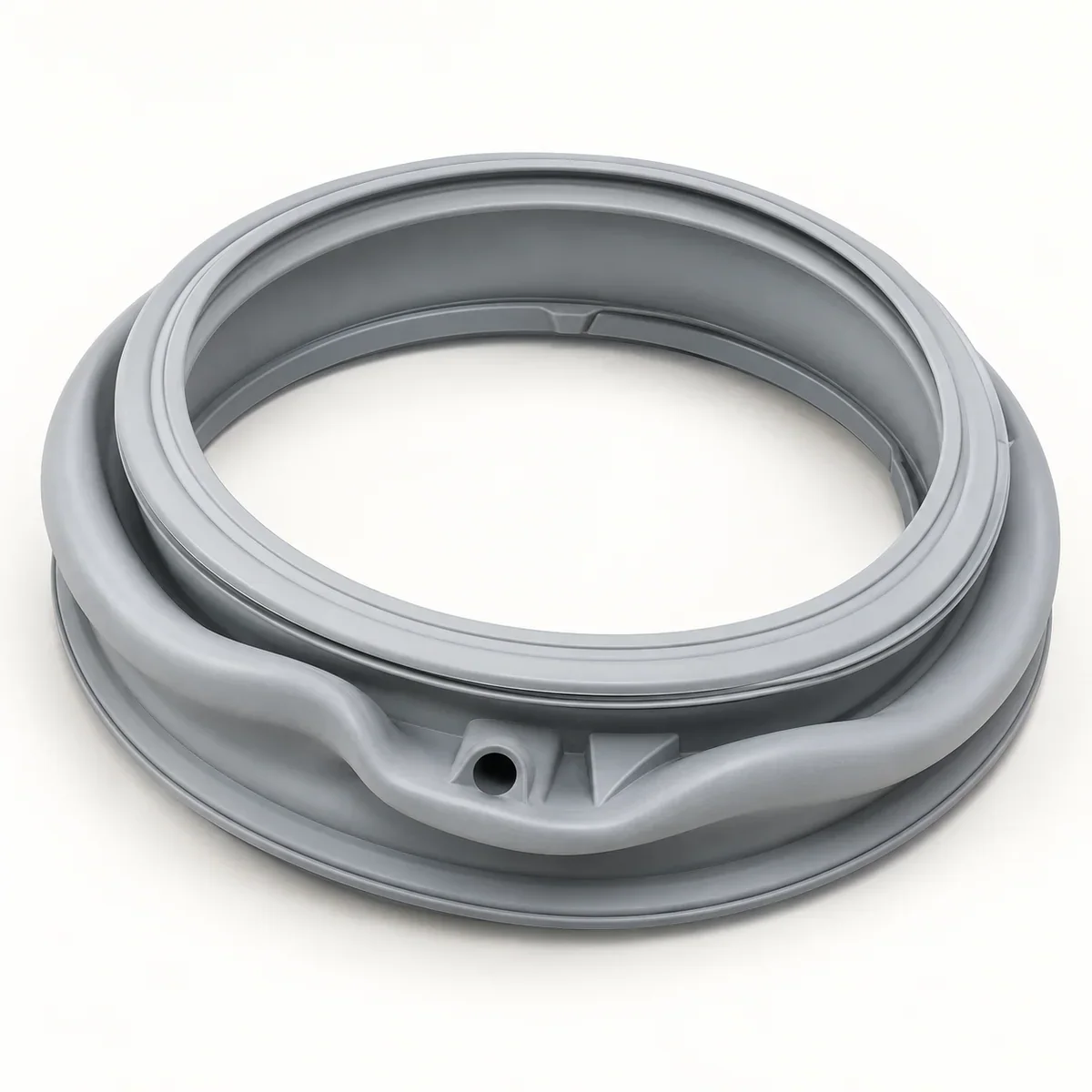
Define a sleeve rather than a hose route
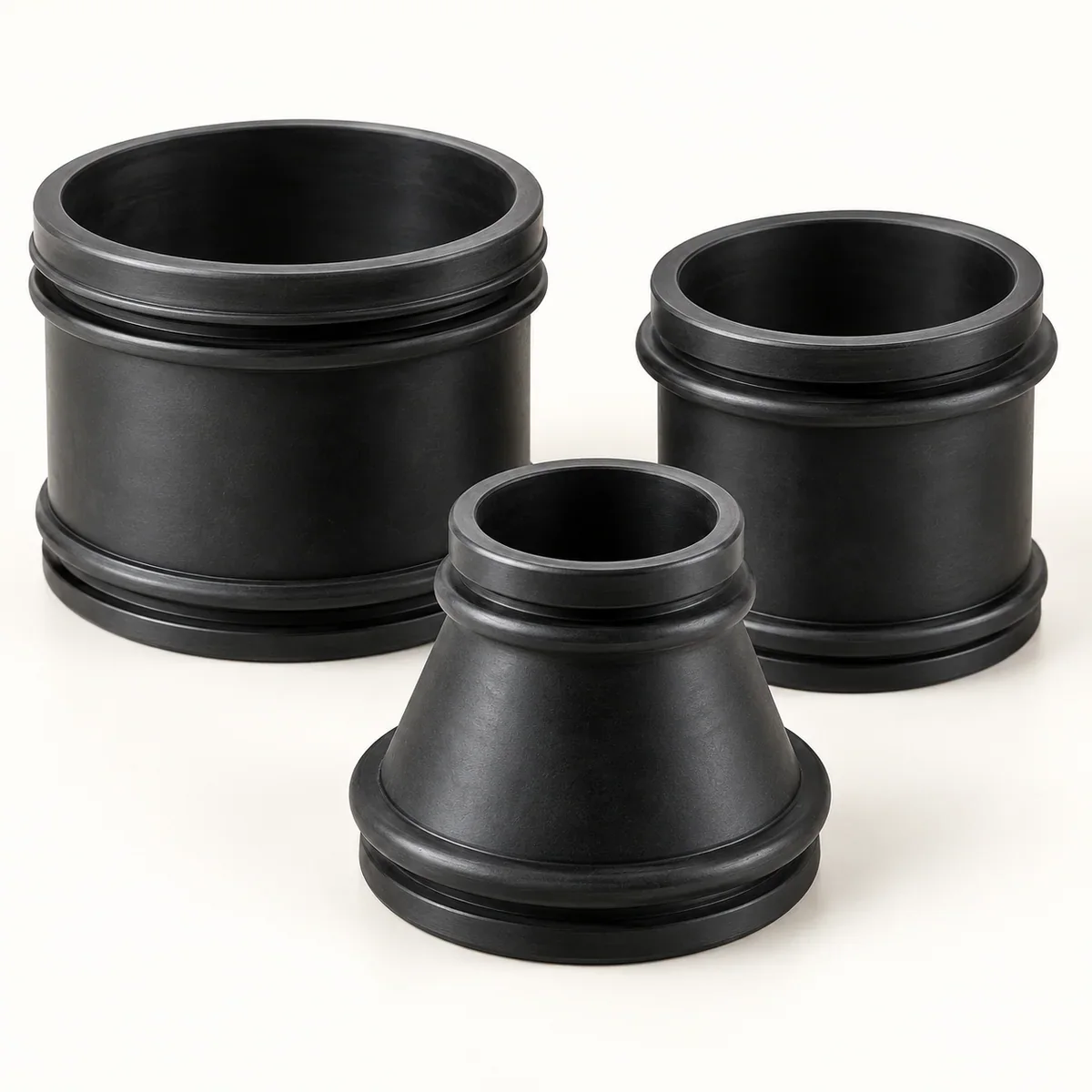
A sealing sleeve may bridge a short gap, locate around a spigot or seal a pass-through. Identify the inner and outer contact surfaces and explain which interface must seal. State whether the sleeve carries fluid or only surrounds another component.
- Show both mating profiles and their tolerances.
- Mark any flange, lip or locating groove.
- Identify the installed axial position.
Review assembly deformation
Provide the interference or gap range, insertion direction and allowable assembly aids. If the sleeve is compressed or stretched during fitting, show that condition and the surrounding edge geometry. Record movement and cleaning exposure that can affect retention.
Acceptance and use limits
Agree pull-off, fit and leakage requirements as appropriate to the actual function. This family has no generic shaft-seal, pressure-hose, electrical-insulation or food-contact qualification.
Prepare your inquiry
- Sleeve and mating-interface drawings.
- Intended sealing surface and assembly sequence.
- Media, movement and cleaning requirements.
- Retention/leak acceptance and quantity.
Buyer questions
Is a sealing sleeve the same as a short hose?
Not necessarily. Specify whether it contains flowing fluid or seals around another part so the correct task can be assessed.
Can the ID be copied from the fitting OD?
State both dimensions and the required fit condition. The relationship must account for the compound, geometry and assembly method.
Related project families
Engineering reading